Cabo San Lucas Fishing Guide — Sport Fishing Basics
Cabo San Lucas is the Marlin Capital of the World — a title that isn’t marketing, it’s marine biology. Where the Pacific Ocean meets the Sea of Cortez at the tip of the Baja Peninsula, nutrient-rich currents collide and create one of the most extraordinary sportfishing environments on earth. This guide covers everything you need to know before you book a charter.
Why Cabo San Lucas Is the Marlin Capital of the World
The waters off Los Cabos sit at the intersection of two major ocean bodies with dramatically different temperature profiles. The Pacific side is colder and deeper; the Sea of Cortez is warmer, shallower, and teeming with bait. Where these two bodies meet — particularly around the underwater canyons and ridges that run beneath the surface near Land’s End — the food chain concentrates in a way that draws pelagic fish in extraordinary numbers.
Blue marlin, black marlin, striped marlin, sailfish, yellowfin tuna, dorado (mahi-mahi), wahoo, and roosterfish are all available in these waters, many of them in record-breaking sizes. The International Bisbee Black & White Marlin Tournaments have awarded jackpots of over $4 million here, and the biggest marlin ever caught in the Pacific was taken off Los Cabos.
The Fish: What’s Available and When
Blue Marlin — Peak season is August through November, though they’re present most of the year. Los Cabos blue marlin average 200–400 pounds, with fish over 500 pounds taken regularly. This is the heavyweight of the Cabo fishery and the reason most serious anglers come.
Black Marlin — September through November is peak season. Generally slightly smaller than blue marlin in these waters, but the fight is equally serious.
Striped Marlin — November through April is the most reliable season. Striped marlin in the Sea of Cortez average 150–250 pounds and are considered by many anglers to be the most acrobatic fight in these waters — the jumps and short sprints of a striped marlin are extraordinary even by marlin standards.
Sailfish — December through March. Smaller than the marlin species — sailfish average 60–100 pounds — but the fight is fast and furious, and they’re available in large numbers during peak season. A day of eight or ten hookups on sailfish is one of the great experiences in sportfishing.
Yellowfin Tuna — Year-round, best November through May. Yellowfin in the 50–150 pound range are common. They fight deep and long, and a big yellowfin on light tackle is a serious afternoon. They also end up on the table, which is a welcome change from the release-only days.
Dorado (Mahi-Mahi) — March through November. Colourful, fast-growing, and excellent eating. They’re also the most consistent hookup for less experienced anglers — they school near the surface, hit a wide range of lures, and fight close to the boat. Dorado is a great entry point for families.
Wahoo — Year-round, most reliable in winter months. Wahoo are built like torpedoes — long, fast, and incredibly strong. They’re a serious challenge on light tackle and one of the best eating fish in the sea.
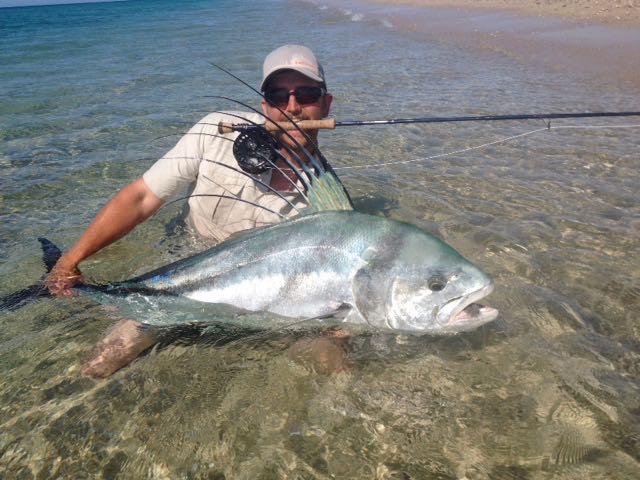
Roosterfish — Year-round. The iconic fish of the Sea of Cortez — recognisable immediately by the elongated dorsal fin that looks like a rooster’s comb. Roosterfish are coast-hugging predators that can reach 100 pounds or more. They’re not typically targeted in tournaments, but for sheer visual drama in the water they’re unmatched.
Charter Types: What to Book
Shared Charter — The most common option departing the Cabo Marina. You share the boat with other anglers, pay per person, and fish with a crew that handles baits and lures while the group shares rod time. This is the most budget-friendly option and a good introduction to the experience. Typical cost: $150–$250 per person for a half day. A half day is typically 4 hours; a full day is 8.
Private Charter — The better choice for serious anglers or families who want dedicated time on the water. A private charter gives you the whole boat, a captain and crew who can tailor the day to your targets, and flexibility on departure time and location. Villa Paraiso’s concierge can arrange vetted private charters with captains who know the local water. Typical cost: $1,200–$2,500 for a half-day private charter depending on boat size and season. Full-day charters run $2,000–$4,500.
Super-Premium Charter — For experienced anglers or those celebrating a special occasion. These boats are newer, larger, come with a higher crew-to-guest ratio, a full day of food and drinks included, and a captain with a documented record in local waters. These are the boats that win the tournaments. Cost runs $3,000–$8,000+ for a full day.
What to Expect on the Day
A typical departure from the Cabo Marina is between 6 AM and 7 AM — early because the fish are most active in the morning and the ocean is calmest before the afternoon wind picks up. A half-day charter gets you 4 hours on the water; a full day gives you 8.
Your captain will ask what you want to target and adjust the game plan accordingly. If you’re after marlin and they’re not showing in the usual spots, the captain will move. If dorado are schooling near the surface, everyone switches to that.
The crew handles bait, lures, and the technical work of keeping lines in the right water. Your job is to handle the rod and reel — or let the crew take over if you’d rather watch.
Catch-and-Release vs Keeping Fish
The tournament world in Cabo is almost entirely catch-and-release for marlin and sailfish — these populations are managed carefully and the contribution of catch-and-release fishing to the local economy is part of why the fishery has stayed healthy.
For dorado, tuna, and wahoo, most charters will offer to fillet your catch for dinner. This is one of the great pleasures of sportfishing — your captain will clean the fish and you’ll have it for dinner that night at the villa. Dorado is exceptional on the grill; yellowfin tuna is extraordinary as sashimi or seared.
Your concierge can arrange for your catch to be transported back to Villa Paraiso and cooked by our private chef.
What to Bring
Sunscreen — the sun is direct and relentless on the water, even on an overcast morning. SPF 50 is not excessive.
Motion sickness medication — the Pacific side of Los Cabos can get choppy in the afternoon. Take it the night before if you’re not sure of your sea legs, not after you’re on the boat.
Light, comfortable clothing — long-sleeve fishing shirts are ideal for sun protection.
A hat with a chin strap — the wind off the Pacific is constant and a regular hat will spend more time in the ocean than on your head.
Your fishing license — your charter company should handle this, but confirm it before departure. Mexico requires a fishing license for all sportfishing in federal waters.